Get Knocked Down, Get Back Up: Lessons for Fundraisers
Rejection gives you feedback. The best fundraisers, like boxers, embrace the Japanese proverb “Nana korobi, ya oki” which means “fall down seven times, stand up eight.”

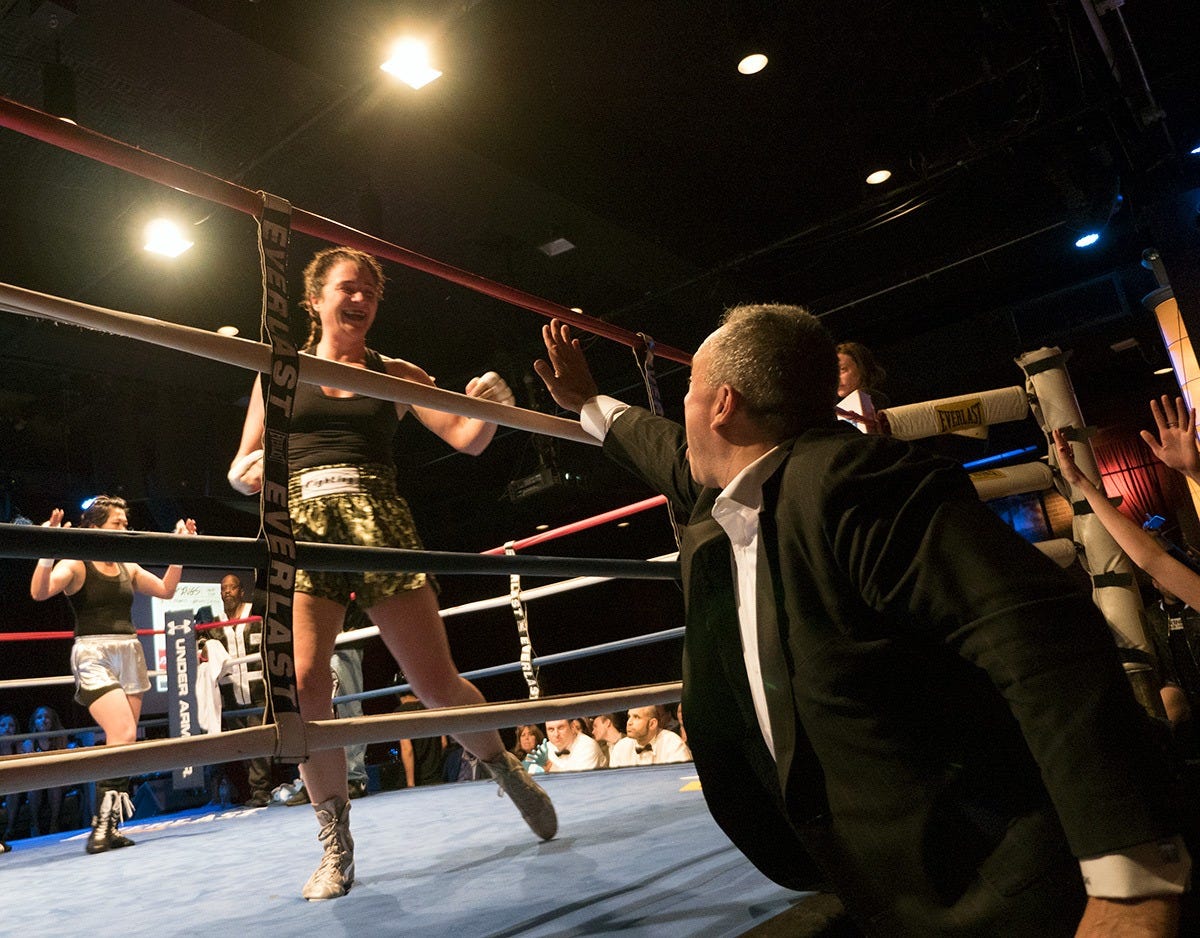
I never won a single amateur boxing fight.

That fact used to haunt me. Now I reflect upon it differently. I did the training, I got in the ring, I did not get knocked down or hurt. I did not quit after my first loss. I kept fighting. How many people can say that?
No one expects to knock out their opponent in the first round. Sure, it happens. But more often, progress evolves step by step, round by round (get it? One Step . . . ). You land a few more punches, you read the other side better. The process matters more than the highlight reel or opinions of judges.
Institutional fundraising works the same way. Most pitches go nowhere. Even seasoned fund managers hear far more no’s than yeses before they close. Each “no” means you are doing the work, gathering the data you need to refine your approach. You’re in the arena fighting; living to die another day.
Still, most people treat rejection like something embarrassing. A soft failure to ignore and never bring up again. You feel ashamed.
The secret? Fall down seven times, get up eight.
Boxers get knocked down, then get back up again. The smart ones learn how to avoid the same blow twice. The mistake is taking a loss personally or internalizing it. More often, a loss points to a lack of preparation or poor timing. One of my favorite boxing quips is “it’s not a loss, but a lesson.”
This article looks at loss (or rejection) differently. No platitudes. No feigned optimism. It offers data, feedback, and a chance to recalibrate.
Here’s how I review losses - my “boxing ring” signals:
1. Where did the message connect?
2. Where did it miss?
3. What needs adjustment to land more “punchy”?
My challenge to you: view missed deals as lessons, not losses
Rejection Happens and It Sucks
I subscribe to The Daily Stoic and found today’s wisdom quite prescient:
Sometimes the good guys lose. Sometimes they lose a lot. Sometimes they lose for a very, very long time.
That’s life. It’s not fair. It’s not all parades and triumphs. It’s often setbacks and narrow defeats. It’s sacrifice and pain that comes up empty.
We have to stay at it. We have to accept the losses that come…without accepting the status quo. We should not give up. We can’t give in to despair. We must keep going.
If rejection is a regular part of the fundraising job, what do you do with it? Everyone experiences it and it sucks every time.
In a previous post, I shared the story of an investor who replied to a meeting request with a single acronym: W.O.T.A.M. I had to Google it: Waste of Time and Money. You try not to take that kind of response personally, but to be honest, rudeness stings.
Then there was the Italian investor who delivered one of the deadliest blows. He committed BIG in size and EARLY in the process of a new fund launch: it gave us confidence and helped build fundraising momentum. Then, at the 11th hour, he tried to re-trade the terms. We could accept his fee cut or lose his capital. We had to downsize the raise. Total gut punch.
That moment stuck. Trust does not come with an investor handshake. You build it. I put too much weight on a relationship that had been well-referred but not yet earned. When that anchor investor dropped, it triggered a domino effect. Because the fund was highly regulated, no single investor could exceed [x]% of the total. So everyone’s commitments got scaled back. It should have sunk us, but it worked because conviction carried us. I believed we would raise it, and that belief gave our team the clarity and energy to rework the cap table and keep moving.
Rejection has a way of exposing your conviction or lack thereof. I realized mine could not be borrowed from someone else’s enthusiasm or promise. It had to come from within because when things fell apart, that internal belief compelled me to reach out to investors who had committed and one stepped up (see what I did there? One Step). This taught me to sell with conviction and recognize if I didn’t have conviction, the strategy/product likely wouldn’t sell.
Over the years, I have had to go back to the basics more times than I care to count. Things like:
Do not mistake early enthusiasm for commitment.
Trust takes time.
Keep the story clear and the process tight.
Check your own conviction because if you do not believe it, no one else will.
Sales Methods That Work
I have seen plenty of sales advice that makes me cringe. Most of it is not wrong in theory, it just does not translate to institutional fundraising.
Take the Cashcards for Closers I bought - little prompts designed to help you push harder at the end of a conversation. What a waste! In other industries, maybe they work. In alternatives fundraising, they backfire. The person across the table is not buying a software service or commodity product. They are weighing risk and deciding whether to trust you as a fiduciary with a long-term partnership.
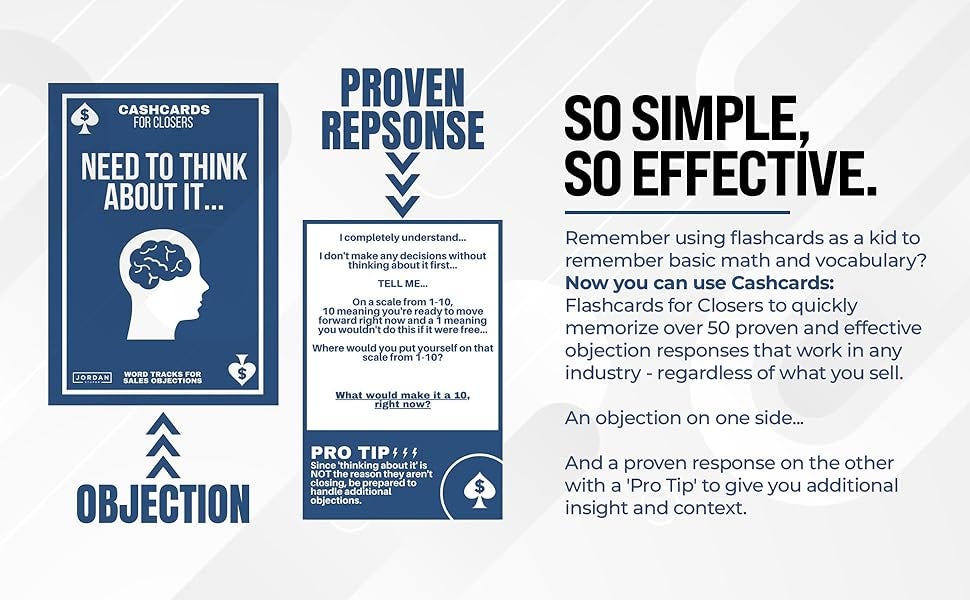
If you have been pitched by a 20-something college grad reading from a script, you know the feeling. The questions sound rehearsed and the process feels rigid. Even the presentation feels performative. It comes across as one-size-fits-all, and it feels inauthentic:
“Just give me five minutes of your time.”
“This is a limited-time offer; you must act now.”
“What’s stopping you from moving forward today?”
Fundraising in alternatives demands more than a script. It hinges on real conversations. The kind shaped by active listening, a problem-solving mindset, and a consistent, disciplined process.
Books help me me sharpen my sales skills. A few principles from these resonate:
Bryon Kidder’s Sell Hard, Win Big: The Ultimate Sales Playbook: It reminds me of a simple truth - if you do not believe in what you are selling, neither will the buyer. Recording then listening to your own pitch can be uncomfortable, but it shows you exactly where your message lands and where it doesn’t.
David R. Cook’s How to Be a GREAT Salesperson…By Monday Morning!: His focus on mental prep and follow-up strengthens how I approach meetings now: clear-headed, looking for fit, not forcing anything.
Since launching One Step Capital, I have had to sell differently. I am no longer just pitching funds. I am also pitching myself as a trusted advisor. I learned to refine my close: getting clear on next steps, understanding how decisions get made, and tuning in to what matters to the person with whom I want to partner.
Rejection happens. It does not feel good. How you handle it makes all the difference.
Maybe blast this song from rhythm and blues singer Ruby Johnson for motivation: “Keep on Keeping on!” Perhaps apropos for some in light of this month’s big holiday!
Keep Getting Up, But Get Better Every Time
Boxing is a great metaphor for sales. You can’t show up and hope for the best. You study, train, recover, and adjust. You take the hit, but also watch the tape to figure out what to do differently next time.
Just like in the ring, each rejection in fundraising teaches you something (if you’re willing to study the tape).
One of the skills I had to remind myself to use? Picking up the phone. Trust builds through conversation, where things flow back and forth naturally, not canned and one-sided like an email. This takes longer and you might get pushed to voicemail like I did just today (but then I got an email reply - yay me), but I believe being human matters and ultimately investors will take note.
Fund managers blast out 500 emails and call it outreach. Real momentum usually kicks in on the second call or the follow up. That’s when people start telling you what they think.
Getting knocked down is part of the job. If you are not learning from it, you are just getting punched for sport.
I started recording myself to learn where I lose people. I study the moments when my energy dips or I start speeding through on autopilot without realizing it. If I were on the other end, would I trust me?
I go back to the fundamentals of sales, listening to podcasts and re-reading books. The ones with bolded acronyms and cheesy titles. Weirdly, some of it lands. Ideas I glossed over years ago are precisely what help me now. Without fail, I pick up a new tip to incorporate into my process the second time through.
Refine Your Pitch Before Conference Time
With the iConnections Global Alts Miami frenzy top-of-mind, here’s your reminder: not every investor is a match. That’s fine! Quantity might matter to your founder, but quality should matter to you.
You can’t throw the same punch in every round and expect a knockout. Great marketing pros adapt. Think like a boxer and adjust your stance: watch the tapes, know when to jab, when to feint, and when to walk away.
Before you head to Miami, ask yourself: Have I done the work? Have I channeled my conviction? Do I know how to pitch so it lands? Am I connecting with what they care about, or just reciting my bullet points?
Make an impression when you get that precious (expensive?) 20 minute meeting.
Have that elevator pitch handy for cocktail hour.
Remember the last thing an investor wants to hear is another boring pitch. Keep it punchy and make it connect!
……………………………………………………………………………………………………
Like what you read? Remember to follow along and feel free to share:
Never miss a post: Subscribe to Capital Alignment on Substack for a deeper dive on fundraising realities, practical advice, and the human side of capital alignment.
Follow me on LinkedIn.